Is South Korea prioritizing central bank digital currencies (CBDCs) over stablecoins?
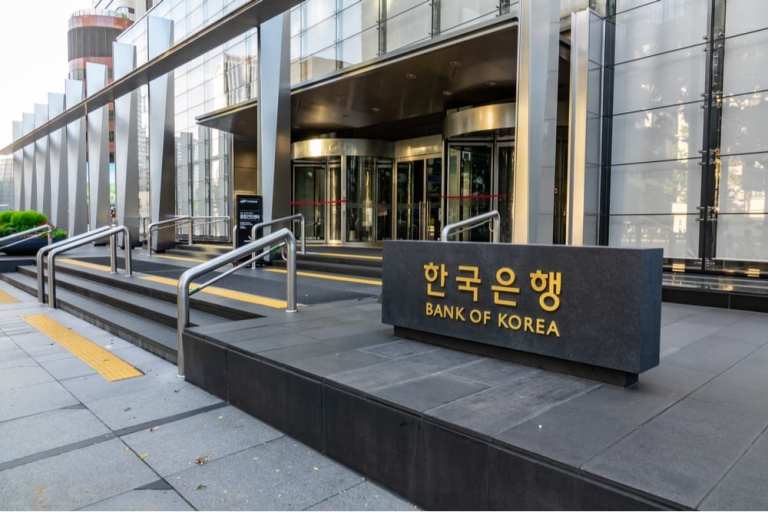
As CoinDesk notes in a report Tuesday (April 21), the new governor of the country’s central bank used his first address in office to focus on the former while making no mention of the latter.
Shin Hyun-song discussed the Bank of Korea’s ongoing retail CBDC and deposit-token pilot, Project Hangang, and its part in Project Agorá, a cross-border tokenization effort led by the Bank for International Settlements, the report said.
The address framed CBDCs as part of a wider shift in central banking amid a period of weaker domestic growth and economic pressure, CoinDesk added.
The report says the absence of stablecoins during the speech was notable, as the issue has been a prominent one in South Korea. Lawmakers there are considering the Digital Asset Basic Act, which would establish rules for issuing stablecoins.
According to the report, Shin had said during his confirmation hearing that stablecoins could coexist with CBDCs and deposit tokens in a “supplementary and competitive” fashion.
Advertisement: Scroll to Continue
Last year saw reports that the Bank of Korea was suspending its CBDC program amid rising excitement over stablecoins.
As covered here earlier this year, there have been indications that government-issued CBDCs were in danger of losing momentum, especially as private-sector stablecoins advance.
“It’s been very quiet,” Ryan Rugg, Citi’s global head of digital assets for Citi Treasury and Trade Solutions, said in a conversation with PYMNTS CEO Karen Webster. “Stablecoins have kind of taken over the narrative.”
Much of the original CBDC push was born out of fears of losing monetary control to private issuers or Big Tech, along with the limitations of aging infrastructure.
“Most central banks were built for batch settlement,” Rugg told Webster. “They weren’t designed to be 24/7.”
In addition to CBDCs, Shin’s speech also addressed tighter scrutiny of the crypto and non-bank finance sectors. He said the central bank would increase oversight of cryptocurrencies and other nontraditional assets, and while looking for greater access to data to track financial risks.
Those comments come as a growing number of global regulators are raising concerns about the risks of private credit, which uses investor money rather than bank deposits to make loans.
As PYMNTS has written, it is an asset class that “exists largely outside the transparency standards applied to traditional banking or public debt markets.”